Cannabis Seed Types Complete Guide: Feminized, Autoflowering and CBD Strains for Legal Adult Growers
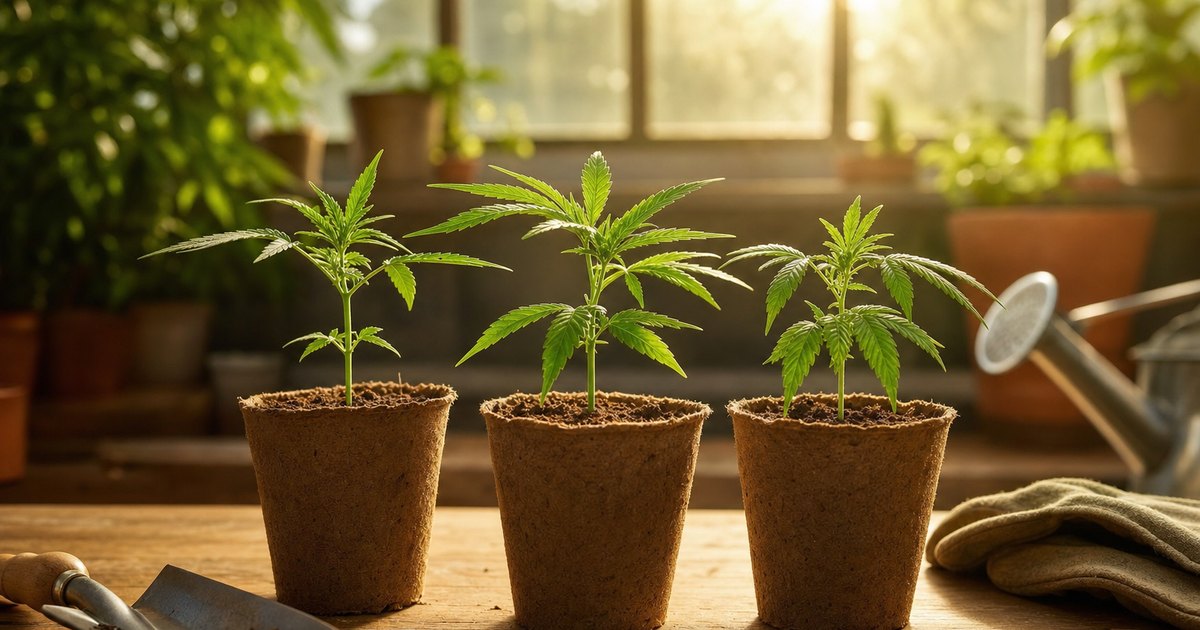
Quick answer: Cannabis seed types complete guide: feminized, autoflowering and CBD strains for legal adult growers
This cannabis seed types complete guide: feminized, autoflowering and CBD strains for legal adult growers breaks the choice down to three main categories. Feminized seeds remove male plants from the equation, autoflowering seeds shift schedules based on plant age rather than light, and CBD-focused seeds are bred for lower-THC, higher-CBD ratios. The right pick depends on your growing environment, experience level, time available, and local legal status for adults 21+.
- Local legality for growing and possessing seeds or plants
- Indoor versus outdoor growing space and light control
- Time available until harvest
- Desired THC to CBD ratio
- Experience with pruning, training, and monitoring plants
- Seed bank reputation and sourcing transparency
Key takeaways
- Feminized, autoflowering, and CBD-focused are not mutually exclusive categories; a seed can be both feminized and autoflowering, or feminized and high-CBD, at the same time.
- Flowering trigger (light schedule versus plant age) is the single biggest factor separating photoperiod feminized seeds from autoflowering genetics.
- THC and CBD content labels from a seed bank describe the breeder's stated genetics, not a guaranteed lab result for every plant grown.
- Cannabis seed legality, cultivation limits, and possession rules differ by state and only apply to adults 21 or older where permitted.
- Reviewing a seed bank's catalog organization, such as separate feminized, autoflowering, and CBD sections, can speed up comparison shopping.
Definitions
What is a feminized seed?
A feminized seed is bred using techniques intended to produce almost exclusively female plants, since female plants are the ones that develop the flowers growers are typically after. This removes the guesswork of sexing seedlings and culling males later in the grow cycle.
What is an autoflowering seed?
An autoflowering seed comes from genetics that shift from vegetative growth to flowering based on the plant's age rather than a change in light hours. This trait is usually linked to ruderalis genetics bred into the plant's lineage.
What is a CBD seed?
A CBD seed, sometimes called a high-CBD strain, is bred to express a higher ratio of cannabidiol relative to THC compared to typical high-THC genetics. Breeders market these for growers who want lower-intoxication profiles, though actual cannabinoid levels can vary by plant and growing conditions.
Core concepts
How does flowering type change your grow timeline?
Photoperiod plants, including most feminized seeds, need a light schedule change to begin flowering, which gives growers control over plant size through extended vegetative time. Autoflowering genetics flower on a set internal clock, which generally shortens the total time from seed to harvest but limits how much a grower can manipulate plant size through light scheduling. A dedicated look at choosing feminized seeds for indoor growing covers this timing trade-off in more depth.
Why does THC and CBD ratio matter beyond intoxication level?
THC and CBD ratios affect more than how a finished product feels; they also factor into how a strain is marketed and, in some jurisdictions, how it is legally classified. Adults choosing seeds for personal cultivation where lawful should treat any stated ratio as the breeder's description rather than a certified lab figure unless independent testing is referenced on the retailer page.
How does growing environment interact with seed type?
Indoor growers with controlled light cycles can take advantage of photoperiod feminized genetics to manage plant height and timing precisely. Outdoor or limited-space growers often lean toward autoflowering seeds because of their generally shorter life cycle and smaller stature, which can suit container growing or shorter outdoor seasons.
What role does the seed bank play in reliability?
The breeder or seed bank behind a listing affects how consistent a strain's traits are described to be, how the catalog is organized, and what information is published about genetics. Comparing catalogs, such as a seed bank's full catalog or its best-selling strains for US buyers, can help a reader see how a vendor documents its genetics before choosing.
Decision framework
Use the following steps, in order, to narrow down a seed type before comparing individual strains.
- Confirm that growing cannabis seeds or plants is lawful for adults in your state and that you meet any age or quantity limits.
- Decide whether you have reliable indoor light control or will be growing outdoors on a natural season.
- Estimate how much time you want between germination and harvest.
- Decide whether you want a higher-THC profile, a higher-CBD profile, or are undecided and want to compare both.
- Match that preference to a catalog section, such as feminized seeds, autoflowering seeds, or CBD seeds, and read the strain-level details on the retailer page.
- Check the listing for any stated genetics, flowering time range, and growing notes before finalizing a choice.
| Seed type | Flowering trigger | Typical grower fit |
|---|---|---|
| Feminized | Light schedule change (photoperiod) | Indoor growers wanting control over plant size and timing |
| Autoflowering | Plant age, largely independent of light hours | Growers with limited space, shorter seasons, or less time for light management |
| CBD-focused | Depends on underlying genetics (can be photoperiod or autoflowering) | Adults preferring a higher-CBD, lower-THC profile |
Real-world scenarios
Which seed type fits a first-time indoor grower with a tent and timer?
A grower with an indoor tent, grow light, and timer can use the light schedule to control a photoperiod feminized plant's vegetative and flowering stages. This setup allows more flexibility over final plant height and training techniques like topping, which depend on an extended vegetative period.
Which seed type fits someone with a short outdoor season or a balcony?
A grower without full light control, such as someone using a balcony or a short outdoor season, often benefits from autoflowering genetics because the plant moves to flowering on its own timeline. This can mean a finished plant before cooler weather or limited daylight becomes a problem, though final size and yield still depend on the specific genetics and growing conditions.
Which seed type fits an adult who wants to avoid strong intoxicating effects?
An adult who wants to explore lower-intoxication options, where cultivation is lawful, may start by comparing CBD-focused listings against standard high-THC genetics. Reading the breeder's stated cannabinoid ratio and any available lab information on the retailer page is the most direct way to compare options before choosing seeds.
Common mistakes
- Assuming "feminized" and "autoflowering" are competing categories. This leads to confusion at checkout. A seed can carry both traits; check the listing for both descriptors.
- Growing outdoors without checking local law. This can create legal exposure regardless of seed type. Confirm your state's rules for adults 21 and older before planting anything.
- Treating a stated THC or CBD percentage as guaranteed. Actual cannabinoid content varies with growing conditions and genetics, so treat published numbers as a general guide rather than a certified result.
- Choosing autoflowering seeds expecting full control over plant size. Autoflowering plants flower on an internal clock, so there is less opportunity to extend vegetative growth the way you can with photoperiod feminized plants.
- Ignoring the seed bank's catalog organization. Skipping past category pages can mean missing strain details that matter for your setup; compare listings within the relevant category before deciding.
- Overlooking growing environment fit. Picking a photoperiod feminized strain for a space with uncontrollable light exposure can disrupt flowering; match the seed type to your actual light control.
- Not budgeting enough time for photoperiod strains. Photoperiod feminized plants generally take longer from seed to harvest than autoflowering genetics; plan your timeline before committing to a strain.
Limitations and checks
Cannabis seed legality, cultivation limits, and age requirements vary by state and can change, so confirm current rules for adults 21 and older before purchasing or growing. Strain-level details such as flowering time, expected cannabinoid ratio, and genetic lineage are set by each breeder and should be verified directly on the product listing rather than assumed from general category descriptions in this guide. Germination rates, shipping policies, and any seed bank guarantees are also retailer-specific and subject to change, so check the current listing page for those details. This article does not confirm lab-tested cannabinoid percentages for any individual strain, since that information, when available, is published by the seed bank or a referenced lab rather than independently verified here.
Also on Amazon
Search Amazon for more options and compare reviews and delivery times.
As an Amazon Associate I earn from qualifying purchases.
Bottom line
Choosing between feminized, autoflowering, and CBD-focused cannabis seeds comes down to your light control, available time, and preferred THC to CBD balance. Indoor growers with a controlled schedule generally get more flexibility from photoperiod feminized genetics, while growers with limited space or shorter seasons often lean toward autoflowering strains. Adults prioritizing a lower-intoxication profile, where lawful, can start with CBD-focused listings and compare the breeder's stated ratios. Next, use the decision framework above, then browse the relevant category page and read each strain's full listing before buying.
Frequently asked questions
Can a seed be both feminized and autoflowering?
Yes, many catalogs sell feminized autoflowering seeds, which combine the female-only trait of feminized breeding with the age-based flowering trigger of autoflowering genetics. This gives growers a shorter, more predictable cycle without needing to sex seedlings manually.
Are CBD seeds legal to grow for adults?
Legality depends entirely on your state's specific laws for adult cannabis cultivation, which can differ for THC-dominant and CBD-dominant genetics. Confirm current rules for adults 21 and older in your location before purchasing or planting any cannabis seeds.
Do autoflowering seeds produce smaller plants than feminized photoperiod seeds?
Autoflowering plants are generally smaller because their shorter life cycle limits vegetative growth time compared to photoperiod feminized plants. Final size still depends on the specific genetics, container size, and growing conditions, so treat this as a general tendency rather than a fixed rule.
How do I know a seed bank's genetics are accurately described?
You generally cannot fully confirm this without independent lab testing, so rely on the retailer's published strain details and any referenced testing information on the listing page. Comparing how thoroughly a catalog documents its genetics across feminized, autoflowering, and CBD sections can help you judge transparency.
Is a higher CBD percentage always better for a less intense effect?
Not necessarily, since the overall experience depends on the full cannabinoid and terpene profile, not CBD content alone. Treat any CBD to THC ratio as one factor among several rather than a guaranteed predictor of effect.
What is the typical time difference between autoflowering and feminized photoperiod strains?
Autoflowering strains generally move from seed to harvest faster than photoperiod feminized strains because they do not require an extended, light-dependent vegetative stage. Exact timelines vary by specific genetics, so check the stated flowering time on each strain's listing.
Can I grow feminized, autoflowering, and CBD seeds in the same space?
It is possible, but photoperiod feminized plants need a specific light schedule to flower while autoflowering plants do not depend on that schedule, which can complicate shared-space light timing. Planning your light cycle around whichever type needs more control is usually the simplest approach.
Where should I start if I am completely new to growing?
Start by confirming local legality, then review a beginner-focused setup guide before choosing a seed type, since equipment and seed choice work together. A beginner starter kit guide can help you match your equipment to the seed type you choose.
Sources and further reading
Independent references on topics covered in this guide. We are not affiliated with these organizations.